How to Choose Music for your Wedding Ceremony

Choosing songs for your wedding ceremony can be an overwhelming task, especially if you don’t know where to start. Here are a few tips to help you get going:

  1. Determine which moments of the ceremony will need music. Would you like to have background music while guests are arriving? Who will be walking down the isle? What type of cocktail hour and dancing music would you like to have?
  2. Identify who needs to be included on making decisions about the music. Is your wedding taking place in a sacred space where song selection will be limited?
  3. Put together a list of songs that you love. During the weeks leading up to your wedding day, take note of your favorite songs and make a list.
  4. Visualize the special moments during the ceremony and assign specific songs to them. Notice how the songs make you feel.
  5. If you have a live musician playing at your ceremony, make sure they have a list of your song requests ahead of time so they can prepare. The musician may also have some song suggestions to help you get started. Since most musicians play the melody of the songs on their instruments (without vocals), you have a wider variety of music to choose from!

If you are having a wedding in Northern Utah and want a professional musician to play at your event, reach out to me! I’d love to go over details and see if I would be a good fit for your special day. I love to work with clients to help transform their events with live music!

Some information from this post was gathered from RVAHarpist.

Elevate Your Wedding with the Enchanting Sounds of a Harpist

A wedding is a celebration of love, and every detail contributes to the magical atmosphere of the day. One often-overlooked element that can truly elevate the ambiance is live music. While many opt for traditional choices like a string quartet or pianist, hiring a harpist can add a touch of elegance and enchantment that sets your wedding apart.

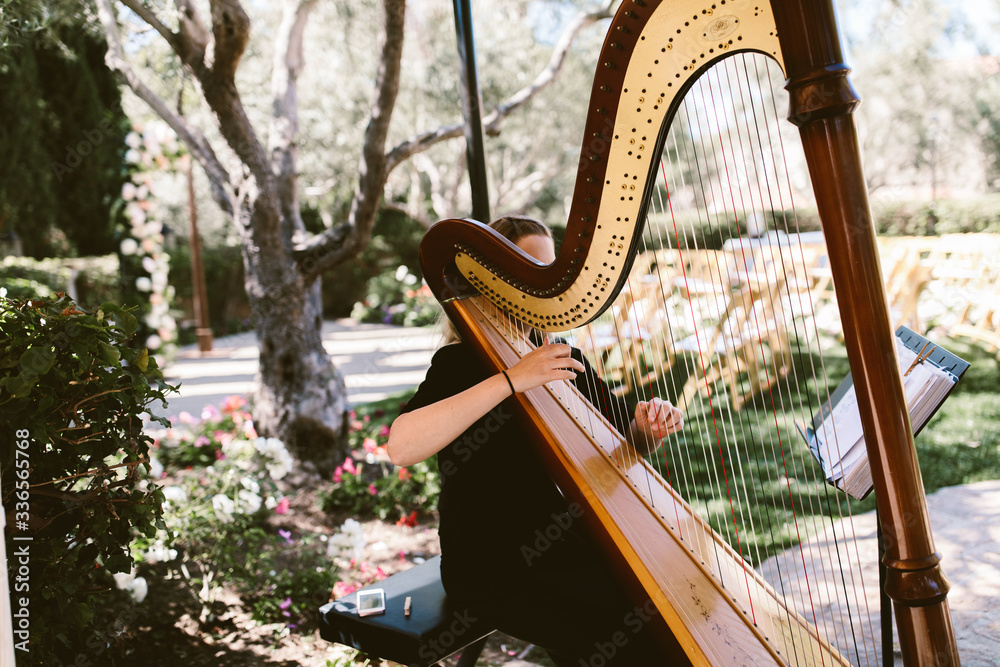
The harp is a timeless instrument that exudes grace and sophistication. Its gentle, resonant tones create a serene atmosphere, perfect for the romantic setting of a wedding ceremony. Whether you’re exchanging vows in a garden, a chapel, or a grand ballroom, the harp’s versatile sound can complement any venue.

One of the most compelling reasons to choose a harpist for your wedding is the instrument’s ability to evoke emotion. The harp’s ethereal sound has a way of touching the hearts of listeners, creating a deeply moving experience for you and your guests. As you walk down the aisle or share your first dance, the enchanting music of the harp will create a moment you’ll never forget.

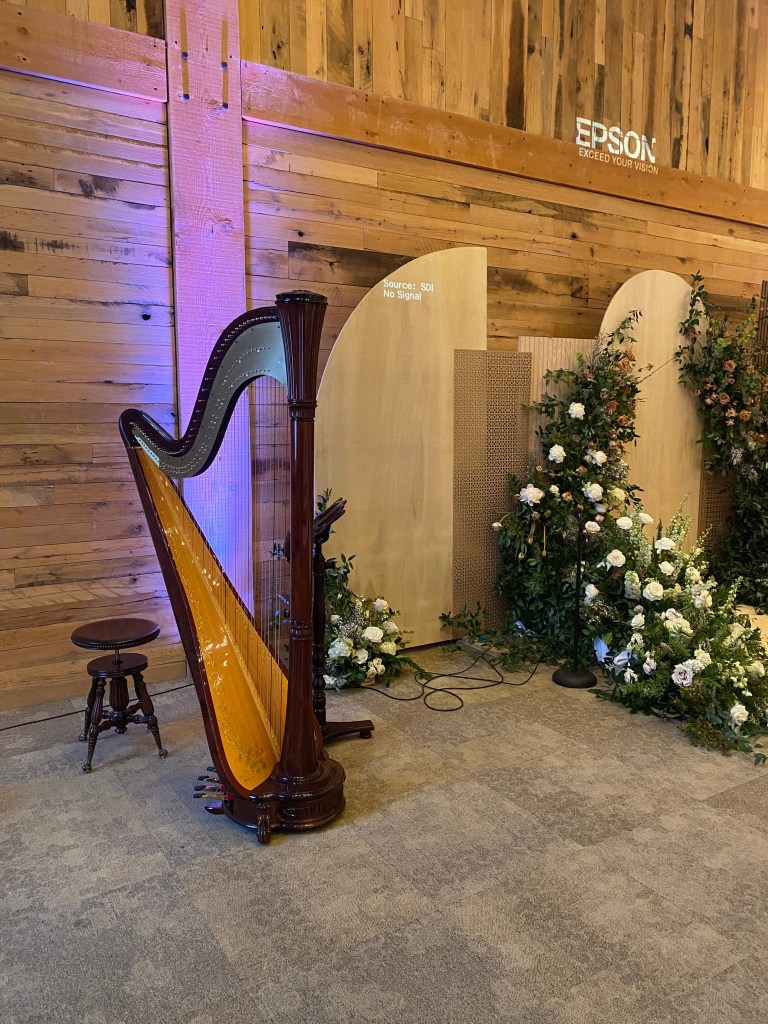
In addition to its emotional impact, the harp is also a visually stunning instrument. Its elegant curves and shimmering strings make it a beautiful focal point for your wedding decor. A harpist dressed in formal attire will further enhance the sophisticated ambiance of your event.

When it comes to selecting music, a harpist can play a wide range of repertoire to suit your taste and style. From classical pieces to contemporary hits, a skilled harpist can tailor their performance to create the perfect soundtrack for your special day.

In conclusion, hiring a harpist for your wedding can add a touch of magic that will enchant you and your guests. With its timeless elegance and emotional depth, the harp is the perfect choice for couples looking to create a truly unforgettable wedding experience.

The Cost of Hiring a Live Band for Your Event in Salt Lake City, Utah

Are you planning an event (like a wedding or business dinner) in Salt Lake City and considering hiring a live band to entertain your guests? Live music can add a vibrant and memorable element to any event, but one of the first questions that comes to mind is, “How much will it cost?”

The cost of hiring a live band in Salt Lake City, Utah, can vary depending on several factors. One of the main factors that will influence the cost is the size of the band. A smaller band with fewer members may cost less than a larger band with more members. If you are working with a smaller budget, try looking for a single musician (like a harpist!) to play at the event.

Another factor that can affect the cost is the band’s popularity and reputation. More well-known bands or those with a strong local following may charge higher fees than lesser-known bands.

The length of the performance is also a significant factor in determining the cost. A band that performs for a few hours will likely cost less than a band that performs for an entire evening. Try asking the band or musician if they give any discount for multiple hour events.

In Salt Lake City, you can expect to pay anywhere from $500 to $2000 or more to hire a live band for your event. This cost can vary based on the factors mentioned above, as well as any additional services or equipment that may be required.

When budgeting for your event, it’s essential to consider not only the cost of the band but also any other expenses that may be associated with live music, such as sound equipment, lighting, and travel expenses.

Overall, hiring a live band for your event in Salt Lake City, Utah, can be a worthwhile investment that adds a unique and memorable touch to your special occasion. By considering the factors mentioned above and planning accordingly, you can ensure that you get the most value for your money and create an unforgettable experience for you and your guests.

Please feel free to reach out to me, on my “Contact Me” page, to inquire about costs for your event!

Harmony in Matrimony: The Benefits of Using Live Music for your Wedding Ceremony

Your wedding day is a celebration of love, commitment, and the beginning of a beautiful journey together. While there are numerous decisions to make when planning this special day, one consideration that can significantly enhance the ambiance is the choice of music. Opting for live music during your wedding ceremony brings a unique set of benefits that can elevate the entire experience.

  1. Emotional Connection: Live music has the power to evoke emotions in a way that recorded music often struggles to match. The raw, authentic sound of live instruments can create a profound emotional connection between the couple, their guests, and the music itself. Whether it’s a string quartet playing a classical piece or a solo vocalist serenading the audience, live music has the ability to resonate deeply with the listeners, making your wedding ceremony even more memorable.
  2. Customization and Personalization: Live musicians offer unparalleled flexibility when it comes to tailoring the musical experience to suit your preferences. They can adapt the tempo, style, and even improvise on the spot, creating a unique atmosphere that perfectly complements your wedding theme. Personalized renditions of your favorite songs or specific musical genres can add a distinctive touch, making the ceremony truly reflective of your personality as a couple.
  3. Enhanced Atmosphere: Live music contributes to the creation of a sophisticated and refined atmosphere. The richness of live instruments, such as a harp, violin, or acoustic guitar, fills the venue with warmth and elegance. The musicians can also adjust their volume to suit the acoustics of the space, ensuring that every note is heard clearly without overpowering the intimate moments.
  4. Interactive Experience: Having live musicians at your wedding ceremony provides an interactive element that engages your guests on a deeper level. Musicians can interact with the audience, creating a dynamic and lively atmosphere. This connection fosters a sense of unity among the guests, making them active participants in the celebration rather than passive observers.
  5. Versatility Across Genres: One of the significant advantages of live music is its versatility. Whether you’re envisioning a classical wedding, a jazz-inspired celebration, or a more contemporary affair, live musicians can adapt to various genres seamlessly. This flexibility ensures that the music aligns with your wedding theme and personal taste, making the entire ceremony more cohesive and enjoyable.
  6. Memorable and Timeless: Live music has a timeless quality that surpasses trends and fads. The musicians’ skill and the authenticity of their performance contribute to a lasting memory for both the couple and their guests. Years down the line, the melodies played during your ceremony can transport you back to the joy and love shared on that special day.

In conclusion, incorporating live music into your wedding ceremony is a choice that offers a myriad of benefits. From creating a personalized and emotional atmosphere to fostering an interactive experience for your guests, live musicians contribute to the overall magic of the occasion. Ultimately, the harmonious blend of live music and matrimony is a union that promises to make your wedding day truly unforgettable.

How Does A Harp Work?

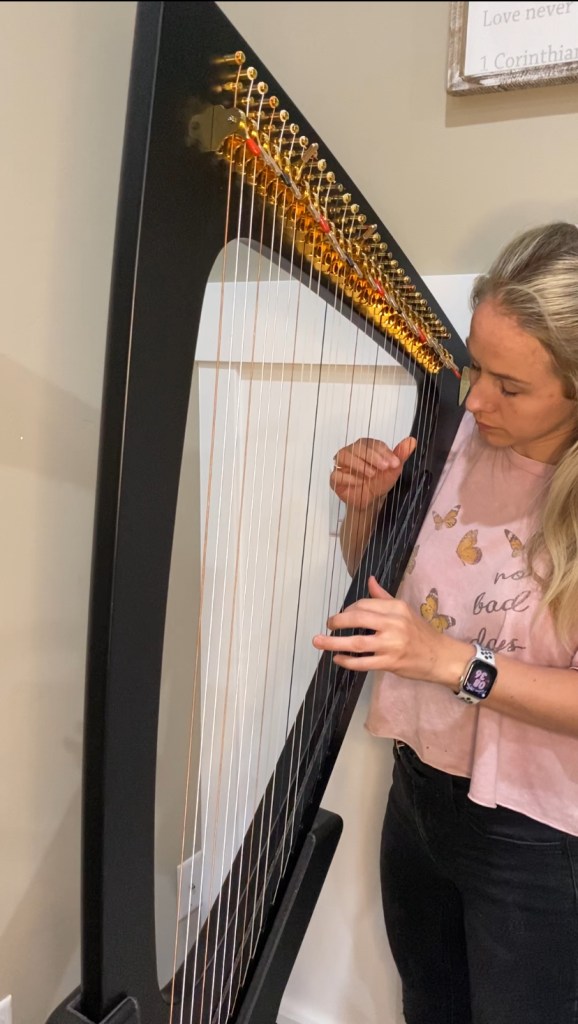
A harp is a musical instrument that produces sound by plucking strings stretched across its frame. Here’s a basic overview of how a harp works:

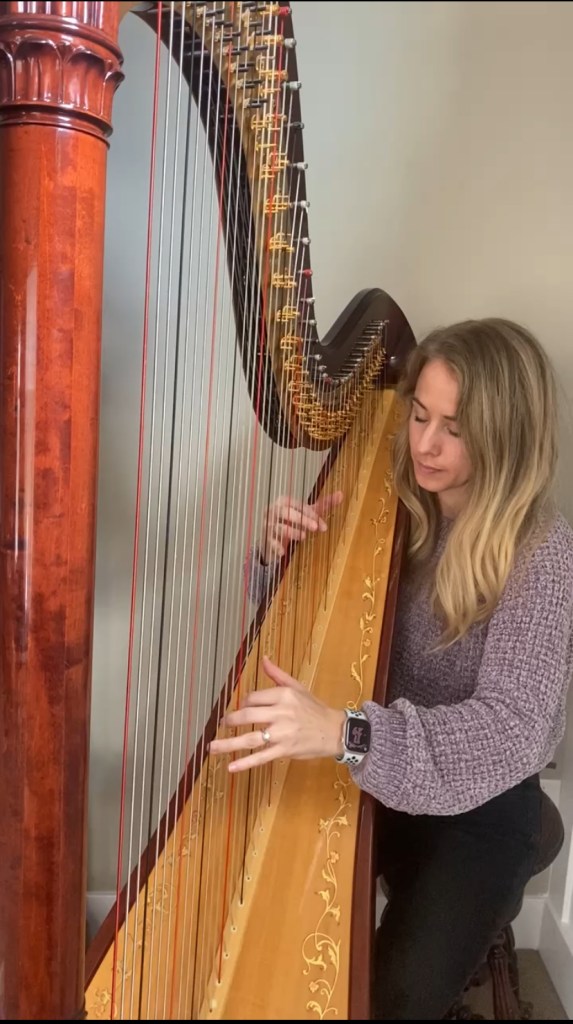
  • String Vibration: The harp has multiple strings of varying lengths and thicknesses. When a harpist plucks or strums a string, it sets the string into vibration.
  • Pitch Variation: The pitch (the perceived frequency of the sound) of each string is determined by factors such as its length, tension, and thickness. Longer, thicker, or more tightly stretched strings produce lower pitches, while shorter, thinner, or less tightly stretched strings produce higher pitches.
  • Soundboard Amplification: The harp has a soundboard, typically made of wood, that resonates and amplifies the vibrations produced by the vibrating strings. This amplification enhances the volume and richness of the sound.
  • Pedals or Levers: Some harps, especially concert or pedal harps, have mechanisms like pedals or levers that allow the harpist to change the pitch of certain strings. This enables the harp to play a wider range of musical notes and key signatures.
  • Harmonics and Overtones: The harp produces harmonics and overtones, contributing to its unique and characteristic sound. These additional tones result from the complex vibrations and interactions among the various strings.
  • Finger Technique: Harpists use specific finger techniques to pluck the strings, including using the pads or nails of their fingers. Different playing techniques can produce a variety of expressive sounds.

Overall, the combination of string properties, soundboard resonance, and the harpist’s technique contributes to the beautiful and distinctive music produced by the harp.